Why the Air Your Cleaning Equipment Leaves Behind Matters Just as Much as the Floor
When HEPA Filtration Matters
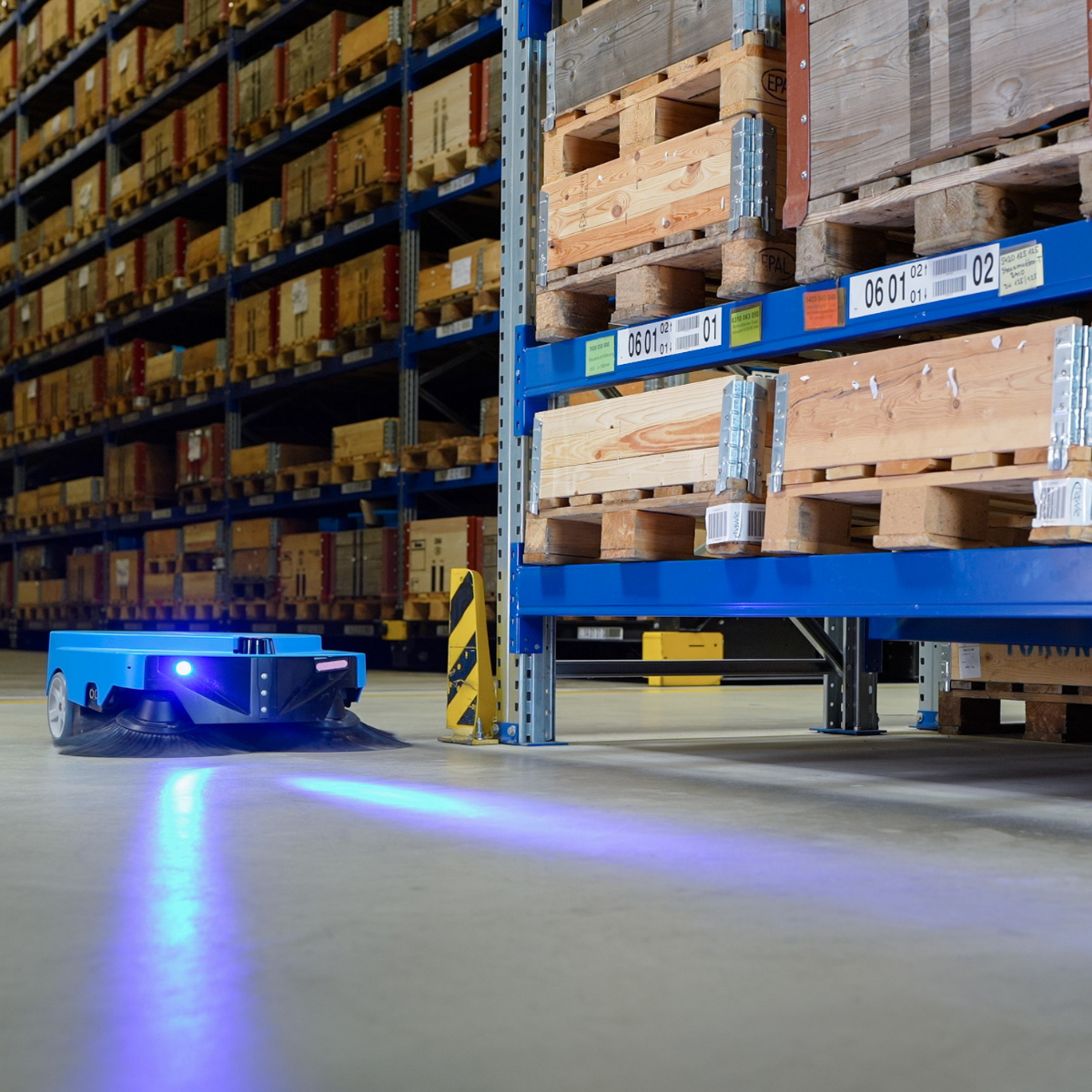
Most industrial cleaning machines are designed to remove visible dirt from the floor. Less attention is paid to what happens to the fine particles that get kicked up in the process - particles that, without adequate filtration, end up back in the air. Modern autonomous systems address this by combining integrated suction with multi-stage filtration, capturing a large share of particles at the source rather than redistributing them.
For facilities with strict air quality requirements, HEPA-certified variants provide an additional layer of assurance and help meet regulatory standards.
What Is HEPA Filtration?
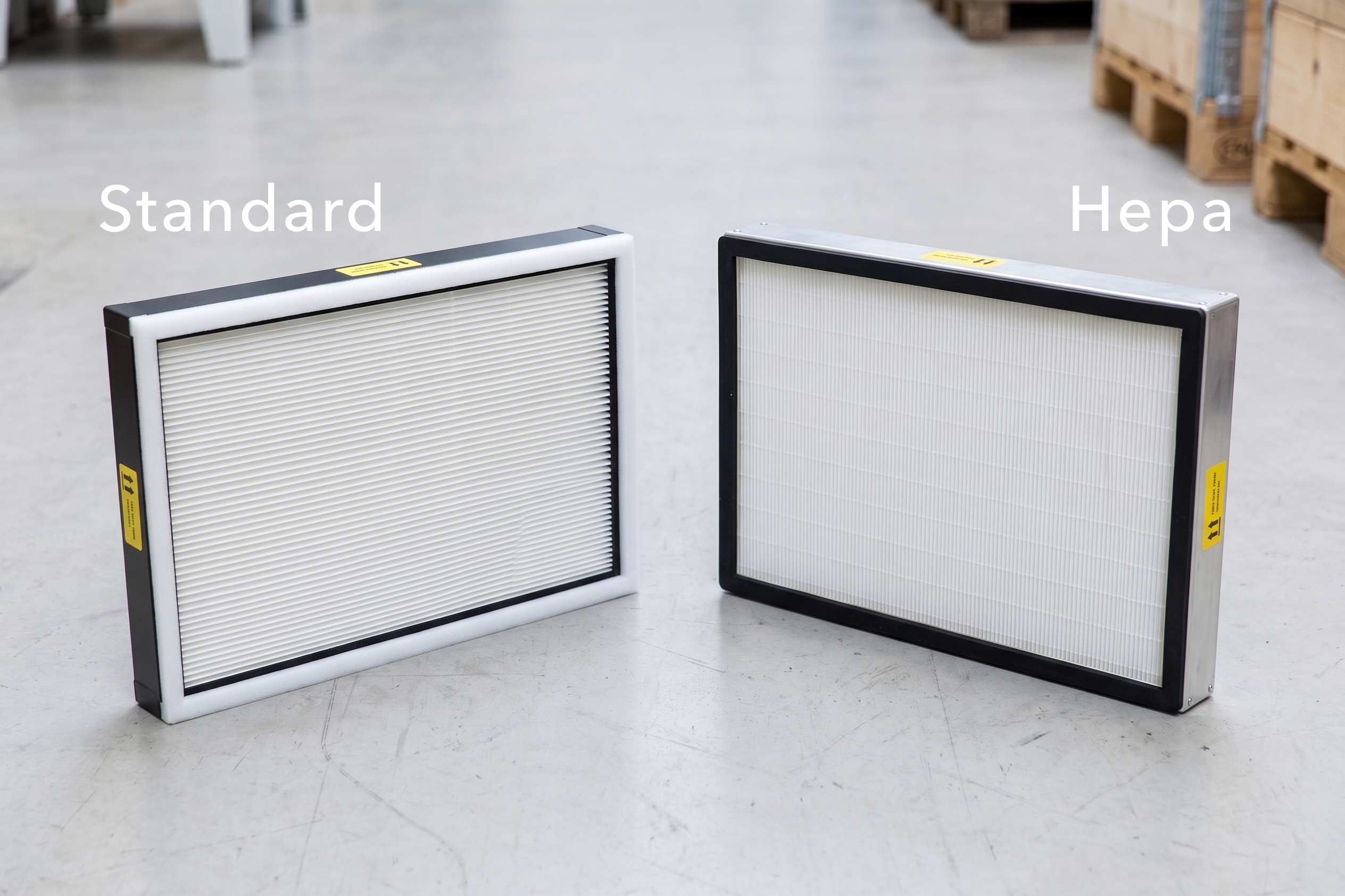
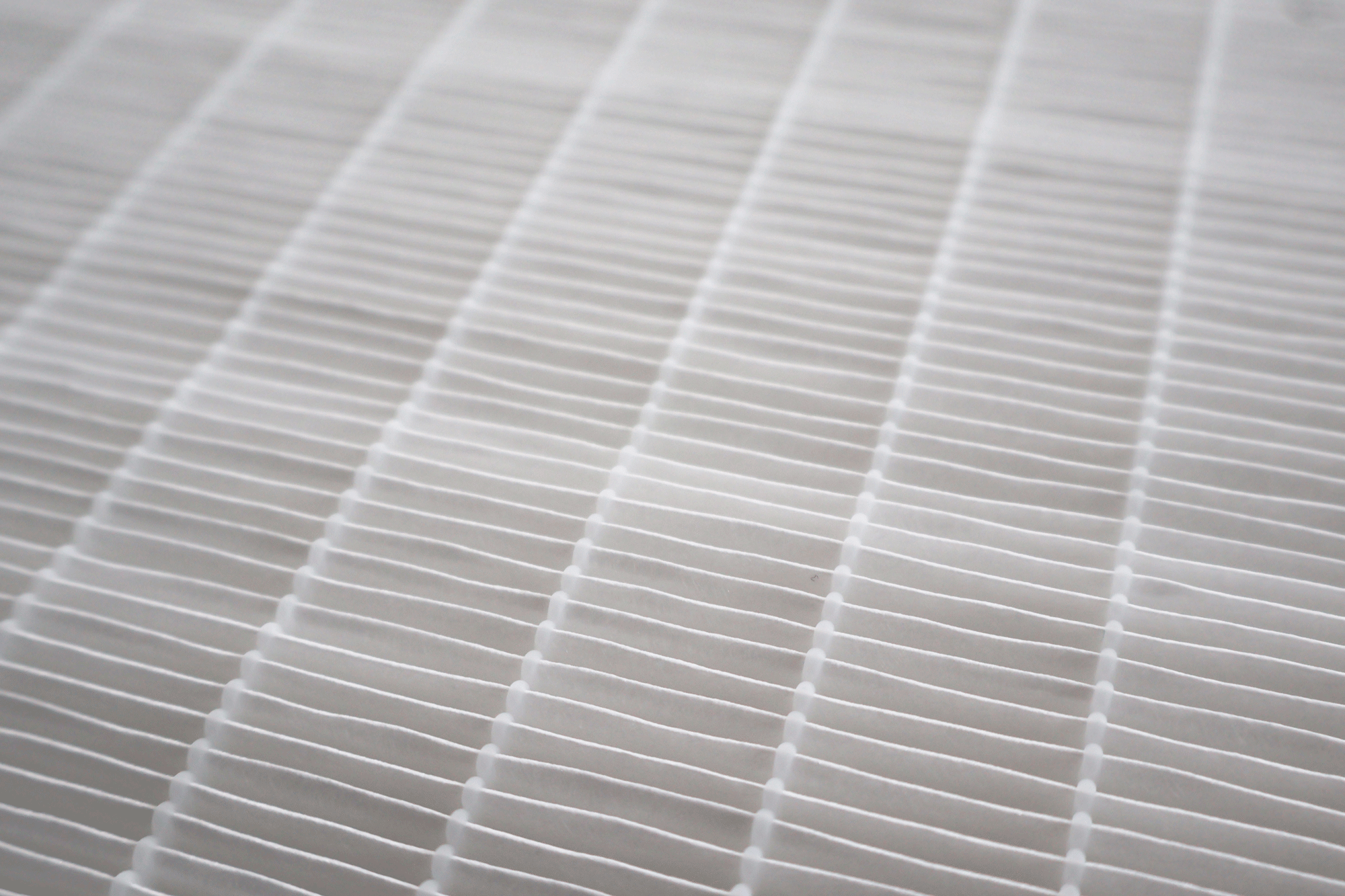
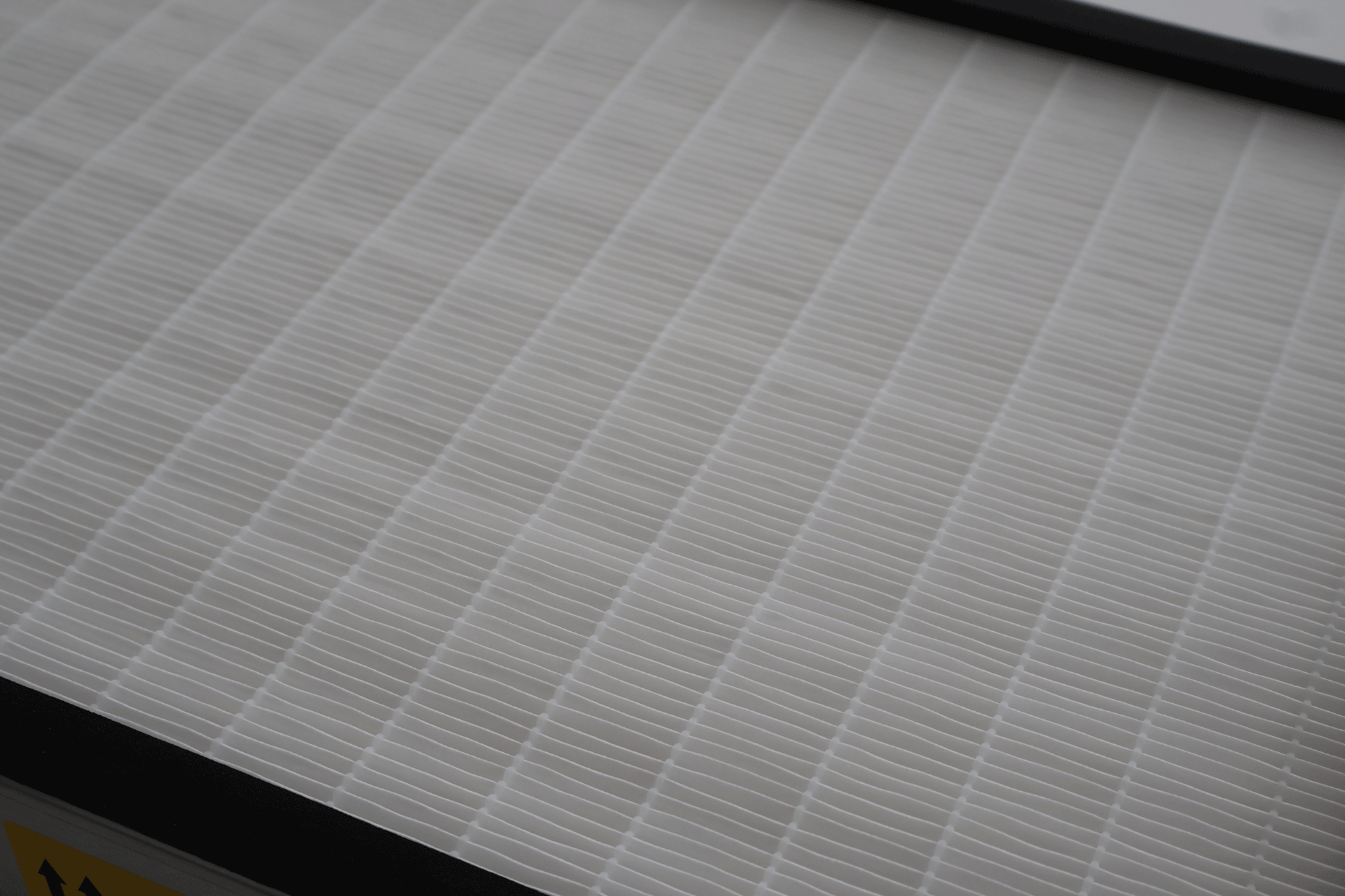
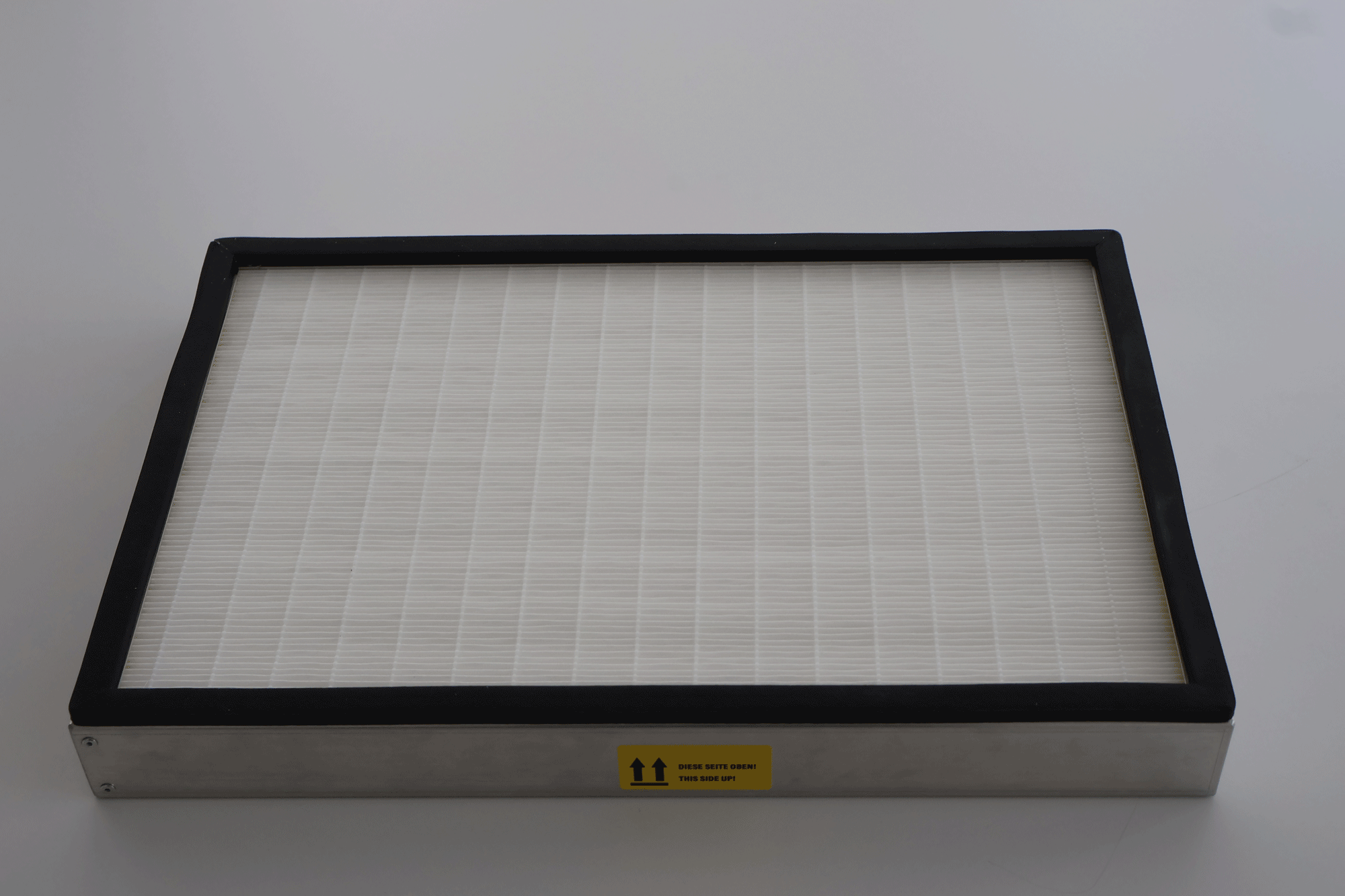
HEPA stands for High-Efficiency Particulate Air. A true HEPA filter captures at least 99.97% of airborne particles as small as 0.3 microns. H14, the classification used for the KEMARO K900’s optional filter, achieves 99.995% efficiency at MPPS, a performance level commonly used in high-efficiency filtration systems for controlled environments
To put the scale in perspective: a human hair is roughly 70 microns wide. The particles a HEPA filter captures are invisible to the naked eye, which is precisely why they matter for air quality and workplace safety.
Why This Matters in Industrial Settings
Industrial floors carry higher particle concentrations, and depending on the industry, potentially harmful ones: metal shavings, chemical residues, silica dust. When a cleaning machine runs across a production floor without adequate filtration, the cleaning process itself becomes a source of airborne contamination.
The implications fall into three areas:
- Health: long-term exposure to fine particulate matter is a well-documented occupational health risk. Regulatory bodies like OSHA and their European equivalents set strict air quality standards for precisely this reason.
- Compliance: in food processing, pharmaceuticals, and electronics manufacturing, certifiable air quality is not optional ,— it's a requirement. HEPA filtration is an established component of modern air quality management in many of these environments.
- Productivity: research consistently links better indoor air quality to improved concentration, fewer sick days, and higher staff wellbeing; a factor that compounds when teams spend eight or more hours a day in a facility.
The Gap in Autonomous Cleaning
Autonomous floor cleaning has advanced significantly. The ability to cover large areas consistently, without labor overhead, during off-hours is a genuine operational win. But the same issue applies: a robot running back and forth across a factory floor can cover a lot of ground efficiently. If it's recirculating fine particulates back into the air while doing so, the net benefit to facility hygiene is only partial.
Many industrial cleaning robots on the market use standard filtration that reliably captures larger particles. However, finer particles may still become airborne depending on the system and the environment.
What to Look for
If filtration is on your checklist when evaluating industrial cleaning solutions, here's what matters:
- Filter grade: H13 captures 99.95% of particles at 0.3 microns; H14 reaches 99.995%. Know which classification you need for your environment.
- Integration: The filter should be part of the machine's design, not an afterthought. A well-integrated system maintains airflow efficiency while filtering effectively.
- Maintenance: HEPA filters require regular replacement. Look for systems designed to make that straightforward.
- Certifications: If your facility operates under ISO cleanroom standards, FDA requirements, or sector-specific regulations, verify the filtration meets those benchmarks independently.
At KEMARO, we built HEPA filtration into the K900 as an available option because we believe the air left behind after cleaning should be held to the same standard as the floor itself. If that resonates with challenges you're facing in your facility, we'd be glad to talk through what it could mean in practice for your environment.
Discover more